First Day on the Mats: A Beginner’s Guide to Gear and Etiquette
Starting MMA, BJJ, or grappling for the first time can be intimidating. This beginner-friendly guide breaks down exactly what gear you need, what etiquette matters on the mats, and how to show up confident, respectful, and ready to learn.
Date
Category
Writer
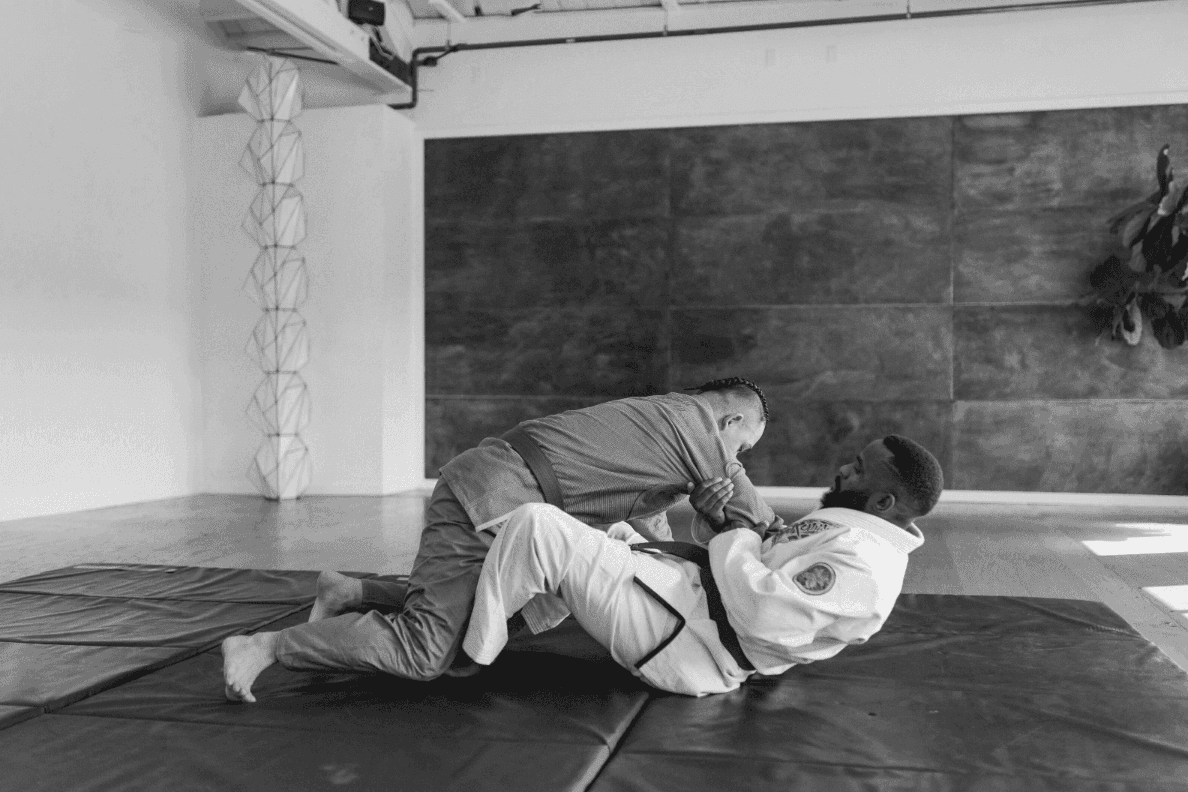
What should I expect on my first day training MMA or BJJ?
Expect structure, not chaos. A warm-up, basic movements, technique drilling, and light positional work. You are not expected to “fight,” win rounds, or prove toughness. First day = learning how to move and stay safe.
What gear do I need for my first day on the mats?
Minimum viable setup:
Rash guard or tight athletic shirt
Shorts with no pockets or zips
Water bottle
Flip-flops or slides for off the mat
If it’s Gi Jiu-Jitsu, most gyms allow you to borrow a gi for the first session. Ask beforehand.
Do I need expensive equipment as a beginner?
No. Avoid over-investing early. Clean, functional basics beat flashy gear. Many beginners quit because they buy too much before building the habit.
Can I train MMA or BJJ if I’m unfit or overweight?
Yes. That’s the point. Classes are scaled. Pace is self-regulated. Nobody expects peak fitness on day one.
What is proper mat etiquette for beginners?
This matters more than skill.
Show up clean: trimmed nails, clean clothes
No shoes on the mats—ever
Bow or acknowledge the mat if that’s the gym culture
Listen more than you talk
Tap early, tap often
Respect training partners regardless of size or rank
Good attitude > talent.
What does “tap” mean and when should I do it?
Tapping means you’re done. You tap when:
A submission is locked in
You feel pain or panic
You’re unsure
There is zero shame in tapping. Tapping is intelligence.
Should I go hard on my first day?
Absolutely not. Your job is to survive, learn, and come back tomorrow. Intensity comes later. Control builds trust. Trust keeps you training.
What mistakes do beginners commonly make?
Trying to “win” rounds
Holding their breath
Using strength instead of technique
Not asking questions
Comparing themselves to advanced students
Everyone on the mat was once new. Every single one.
How fit do I need to be before starting?
Fit enough to show up. That’s it. Training builds fitness, not the other way around.
Is MMA or BJJ safe for beginners?
Yes—when ego is checked and etiquette is followed. Most injuries come from rushing, resisting blindly, or ignoring taps.
How often should a beginner train?
2–3 sessions per week is ideal. Consistency beats intensity. Your nervous system needs time to adapt.
What mindset should I bring on day one?
Beginner’s mind. Curiosity. Humility. The goal is progress, not dominance.
Latest Articles.
Training principles, pressure-tested lessons, and mindset shifts forged through combat sports.